
Surfaces Built for Water and Daily Wear
Tile Installation in El Paso for bathroom upgrades, tub to shower conversions, and kitchen backsplash projects
Flooring by Alex & Alex installs tile in residential spaces where durability and water resistance matter most. The work includes accent walls, complete tub to shower conversions, bathroom floors and walls, and kitchen backsplashes. Each installation addresses specific functional needs, from eliminating the maintenance burden of outdated tubs to creating cleanable surfaces in high-moisture areas.
Tile installation involves substrate preparation, waterproofing in wet areas, proper layout to minimize visible cuts, and grout selection based on joint width and exposure. Tub to shower conversions require removing the existing tub, building a new pan or installing a prefabricated base, waterproofing vertical surfaces, and tiling walls to create a fully enclosed shower space. The conversion changes how the bathroom functions and typically opens up floor space while reducing fall risk associated with stepping over a tub edge.
Schedule an on-site consultation to review layout options and material requirements for your project.
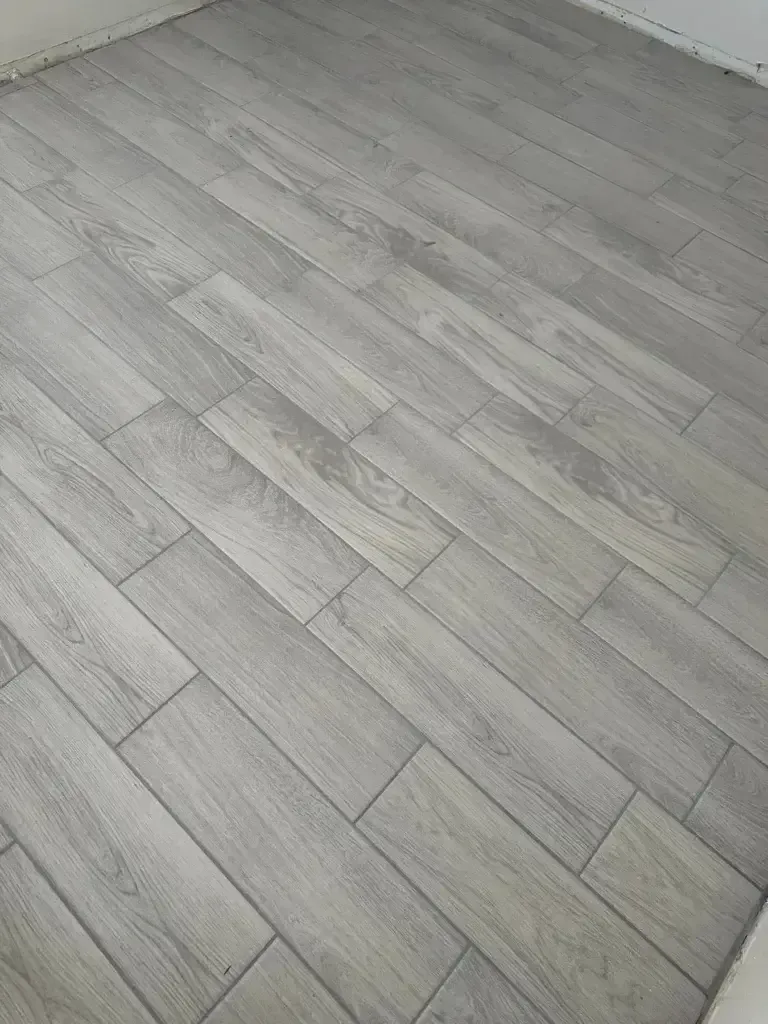
What Tub to Shower Conversions Actually Accomplish
Converting a tub to a shower involves removing the existing fixture, addressing the subfloor and drain configuration, and building a new waterproof enclosure. Flooring by Alex & Alex handles the demolition, pan installation or mud bed construction, cement board or waterproof membrane application, and full tile work on walls and thresholds. The process also includes decisions about niche placement, bench installation, and threshold height to control water while allowing accessible entry.
After the conversion, you see a walk-in shower with tile surfaces that extend from floor to ceiling or to a defined height. Water stays contained within the new enclosure, grout lines remain consistent across the installation, and the space typically feels larger without the visual bulk of a tub. Maintenance shifts from scrubbing textured tub surfaces to wiping down tile and keeping grout sealed.
The choice of tile size affects grout line quantity and cleaning effort. Larger format tiles mean fewer grout joints, which reduces long-term maintenance. Smaller mosaics on floors provide better traction but require more frequent grout attention. The substrate waterproofing, not just the tile itself, determines whether the installation prevents water damage to framing and subfloors over time.
What Property Owners Usually Ask
Homeowners in El Paso often have questions about tile work before committing to bathroom or kitchen upgrades.
What does a tub to shower conversion involve beyond just tile work?
The conversion includes tub removal, potential plumbing adjustments, subfloor evaluation and repair if needed, installation of a shower pan or mortar bed, waterproofing all vertical surfaces, and then complete tile installation on walls and floor. The process addresses structural and waterproofing requirements before any tile goes up.
How does tile choice affect the longevity of a bathroom installation?
Porcelain and ceramic tiles resist moisture and wear differently. Porcelain is denser and absorbs less water, making it preferable for shower floors and high-traffic areas. Wall tiles can be lighter-bodied ceramic since they face less mechanical stress. Grout type and sealing practices matter as much as the tile itself for preventing staining and moisture intrusion.
What preparation does a kitchen backsplash installation require?
The wall surface must be clean, flat, and free of grease or paint that would prevent adhesion. Outlets need to be turned off and removed temporarily. Layout begins with locating the most visible area, typically behind the range or sink, and working outward to ensure symmetry. Cut tiles are positioned in less conspicuous areas like corners or under cabinets.
When should grout be sealed after installation?
Grout needs to cure fully before sealing, which typically takes several days depending on humidity and grout type. Sealing too early traps moisture and weakens the grout. Once cured, a penetrating sealer prevents staining and makes routine cleaning more effective, especially in kitchens where grease and food particles contact the surface.
Why do some tile installations crack or loosen over time?
Failures usually trace back to substrate movement, inadequate waterproofing, or improper thinset application. If the underlayment flexes or the subfloor wasn't rigid enough, tiles crack along grout lines. Missing waterproofing allows water behind the tile, degrading the bond. Proper preparation and material selection prevent these issues from developing years after installation.
Flooring by Alex & Alex handles tile installation projects across El Paso, from accent walls to full tub to shower conversions. Request a detailed estimate based on your space and the materials you're considering for your bathroom or kitchen upgrade.