
Wood Floors Built for High Desert Conditions
Hardwood flooring installation and sales in El Paso for homes requiring species and finish combinations that resist cracking from extreme heat and low humidity
Certain hardwood species crack and separate along board edges when installed in El Paso's high-desert climate without expert species selection matched to the region's low humidity and extreme summer heat. You work with owner-led guidance at Flooring by Alex & Alex to select wood species and finish systems engineered to handle the dimensional stress that Sun City conditions create. The region's sustained heat causes wood to expand, while year-round low humidity simultaneously pulls moisture from the material, creating competing forces that split boards or open gaps if the wrong species is chosen.
Species selection focuses on wood with tighter grain structures and lower expansion coefficients, meaning the material responds less dramatically to moisture and temperature changes than the wide-plank, open-grain options popular in humid climates. Finish systems also matter because certain surface treatments allow wood to release and absorb moisture naturally while others trap moisture inside, increasing internal stress that leads to surface checks and cracks.
Visit the showroom to review hardwood samples and discuss which species perform reliably in Kern Place and Sunset Heights homes.
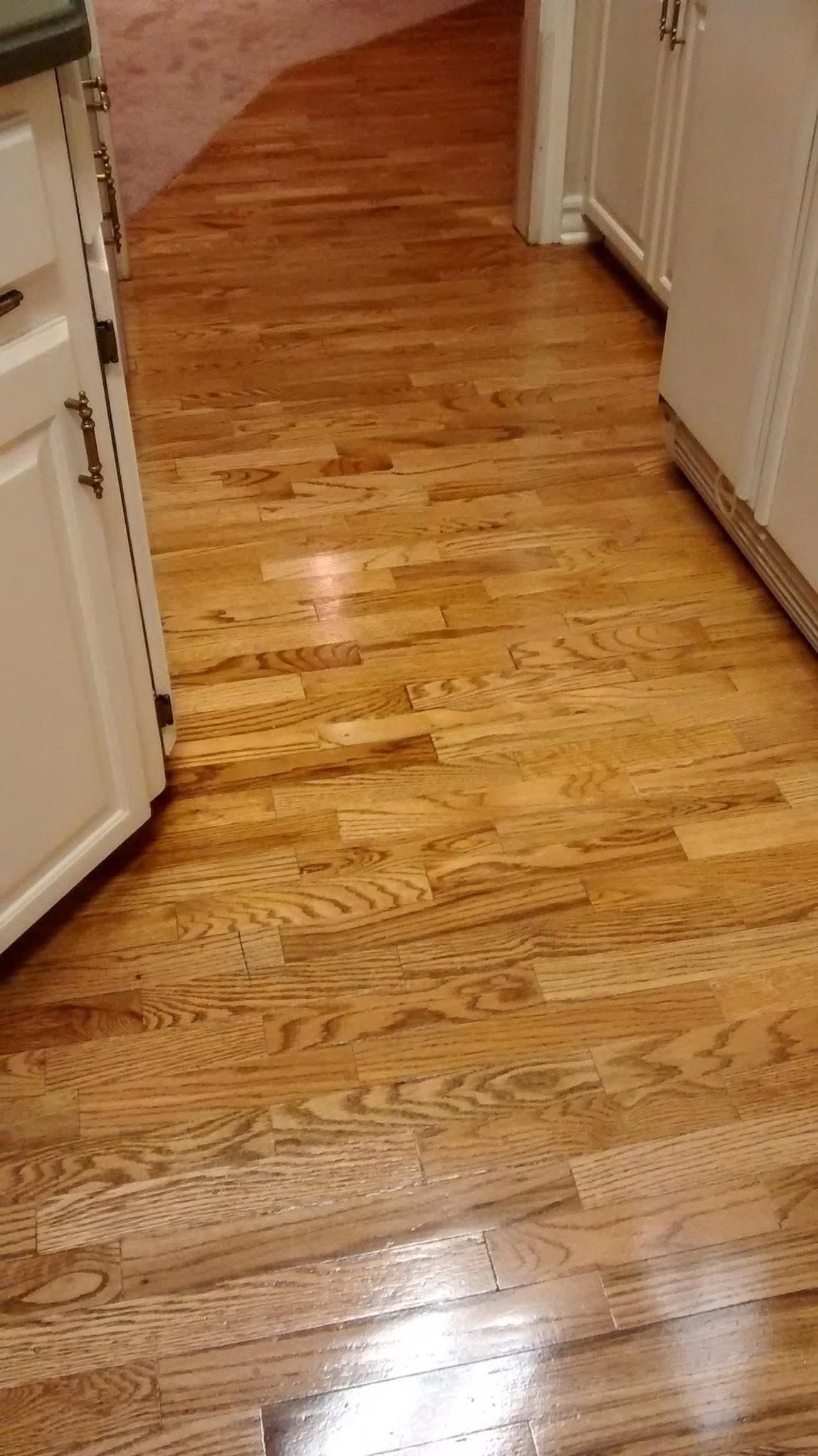
What Changes After Climate-Smart Installation
Hardwood installation in El Paso requires acclimation protocols that account for the difference between where the wood was milled and the desert environment where it will be installed. The material arrives with moisture content appropriate for temperate climates, so it must lose moisture gradually in your home before installation to prevent excessive shrinkage after the floor is down. Acclimation times run longer in El Paso than standard guidelines specify because the humidity gap is more extreme.
After installation, you notice that board edges stay tight through seasonal temperature swings because the wood was already dimensionally stable when installed. The finish maintains its integrity without the surface cracking that develops when rapid moisture loss causes wood to shrink beneath an inflexible finish layer. Floors in sun-facing rooms resist the cupping and crowning that occur when some boards receive more UV and heat exposure than others.
Installation includes expansion gap planning along walls and transitions, which functions differently in desert climates where the primary concern is shrinkage rather than expansion. The gaps allow boards to move slightly without pulling away from adjacent planks as the wood reaches its stable moisture content in your home's environment over the first year.
Answers to Frequent Service Questions
Homeowners selecting hardwood for Sun City properties often ask how the process differs from standard installations and what the climate requires.
What makes certain hardwood species perform better in El Paso than others?
Tighter-grained species like oak and hickory have less open pore space and lower expansion coefficients, so they respond less dramatically to moisture and temperature changes compared to softer or more porous woods that crack under desert stress.
How does acclimation work differently in high-desert climates?
Wood must lose significantly more moisture to match El Paso's low humidity than it would in temperate regions, requiring longer acclimation periods and sometimes active climate control during the process to prevent too-rapid drying that causes pre-installation defects.
Why do finish choices affect long-term hardwood performance?
Penetrating finishes allow wood to release and absorb small amounts of moisture naturally as humidity fluctuates, reducing internal stress, while some surface finishes create rigid barriers that trap moisture changes inside the wood and increase cracking risk.
What happens in rooms with direct sun exposure?
UV radiation fades wood and accelerates finish breakdown, so species and finish selection accounts for which rooms face south or west, and acclimation ensures boards will not shrink dramatically when sustained heat drives out remaining moisture over the first summer.
When should engineered hardwood be considered instead of solid?
Engineered hardwood's layered construction provides better dimensional stability in extreme climates because the cross-grain layers resist expansion and contraction more effectively than solid wood, making it suitable for rooms where solid hardwood would be at higher risk.
Flooring by Alex & Alex provides curated hardwood selection in the showroom with guidance tailored specifically to how different species perform in desert conditions. Schedule a consultation to review your home's sun exposure patterns and discuss installation details suited to your property.